 W.I.P Labs
Creative Arts Exploration / Liberal and performing arts
For liberal arts and performing arts departments
Bringing the living edge of performing arts practice to the university.
A performing arts department at a private liberal arts university is not a conservatory. It is something more ambitious and more difficult: a space where performance is understood as a mode of inquiry, and where students think, make and reflect at the same time. The best of these departments already combine academic rigour with embodied practice. What they rarely have is standing access to the practitioners working at the experimental and politically engaged edge of Indian performance. That access is what we are.
The studio course menu
Sound Design for Performance
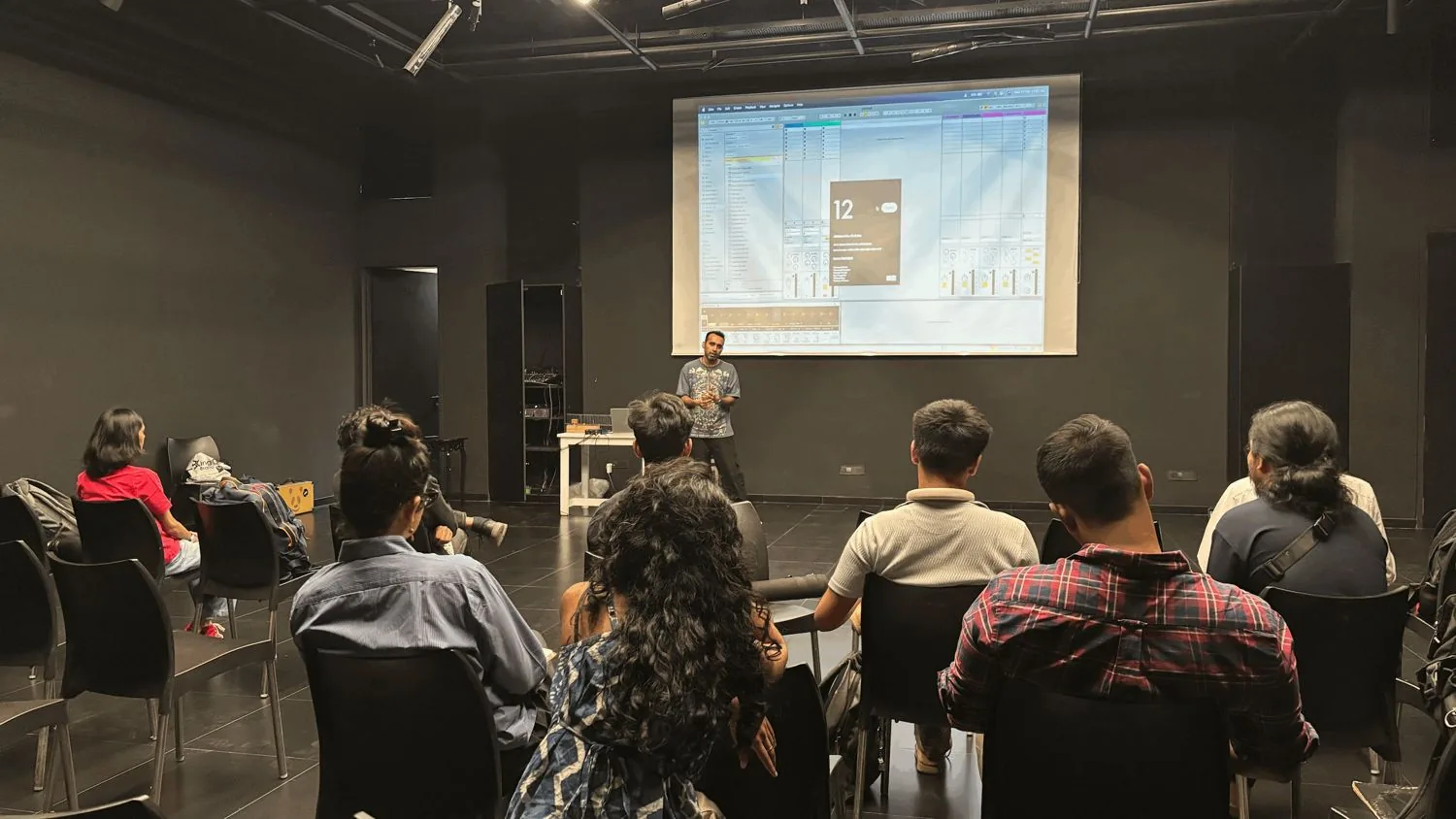
Led by Baan G (Anirban Ghosh)Sound as a primary dramatic instrument rather than post-production support. Field recording, acoustic ecology, spatial audio, psychoacoustics, sound for live performance and installation. Students develop an original sound work for a specific performance context.
Acoustic ecology · Spatial audio · Live performance sound · Critical listening
Contemporary Dance and Somatic Practice
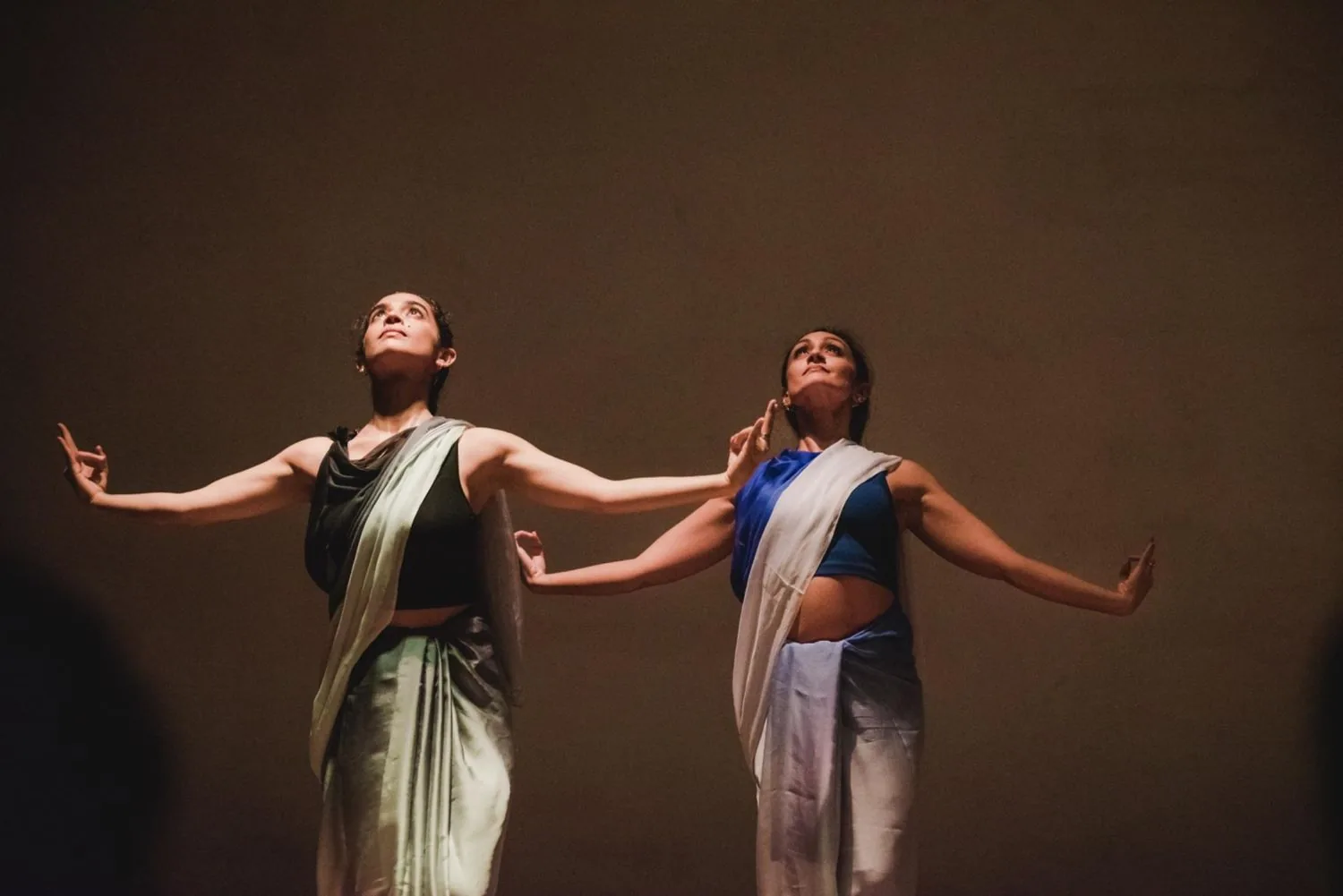
Led by Diya Naidu or Surjit NongmeikapamContemporary movement, somatic awareness and choreographic thinking, drawing on interdisciplinary movement practice, physical theatre and somatic methodologies. No prior dance training required.
Contemporary dance · Somatic practice · Choreography · Interdisciplinary movement
Object Theatre and Puppetry
Led by Anurupa Roy and Adheep DasHow material things become performers, how objects carry narrative, and how the relationship between performer and object generates meaning. Builds embodied, material and dramaturgical intelligence at once.
Object theatre · Material practice · Dramaturgy · Embodied performance
Theatre, Politics and the Body
Led by KP Lakshmana and Jangama CollectiveA studio-seminar at the intersection of political theatre, Dalit aesthetics and performance as social practice. Students make performance work and engage critically with caste, identity, power and cultural memory.
Political theatre · Dalit aesthetics · Devising practice · Critical theory
Live Coding and Algorithmic Performance
Led by Abhinay Khoparzi, Algorave IndiaCode written in real time to generate sound and visuals: performing the act of composition itself. Students with no coding background are welcome. Culminates in a live performance open to the university.
TidalCycles · Strudel · SuperCollider · Generative music
Immersive Art and Generative Systems
Led by Hasan Shahrukh, Curiouswala StudioInstallation, generative code, spatial design and interactive experience. Students build a collective immersive work using projection mapping, sensors, generative visuals and sound.
Generative systems · Installation · Interactive design · Projection mapping
Folk Arts, Percussion and Community Practice
Led by Naren, Adavi Arts CollectiveAn introduction to the Parai and South Indian folk percussion traditions: foundational rhythms, the cultural and political history of the instrument, and caste, memory and music as social practice. No musical background required.
Folk performance · Percussion · Anticaste art · Community practice
The Improvising Body
1-month module or co-curricularFree improvisation as performance practice, drawing on free jazz, contact improvisation, physical theatre and Indian classical raga structures. Students develop a personal improvisational practice and the vocabulary to discuss it.
Free improvisation · Embodied practice · No prerequisites · Cross-form
Listening as Practice
Led by Vaibhav Batra (Psychopanda)Deep listening and sonic awareness drawing on acoustic ecology, experimental music and contemplative practice. Students develop a personal listening practice, conduct field recording and produce a final sonic journal.
Deep listening · Field recording · Acoustic ecology · Contemplative practice
Practice as Exhibition
1-month module or full semesterHow artists think through and present process: documentation, curation, artist statements, open studios and the exhibition of work in progress. Directly useful as capstone preparation.
Documentation · Curation · Artist statement · Public showing
Three ways to partner
Studio courses
Credit-bearing semester courses, electives, co-curricular offerings or minors, each bringing a discipline currently unavailable in the department and integrated into your existing academic structure.
CAE In Practice
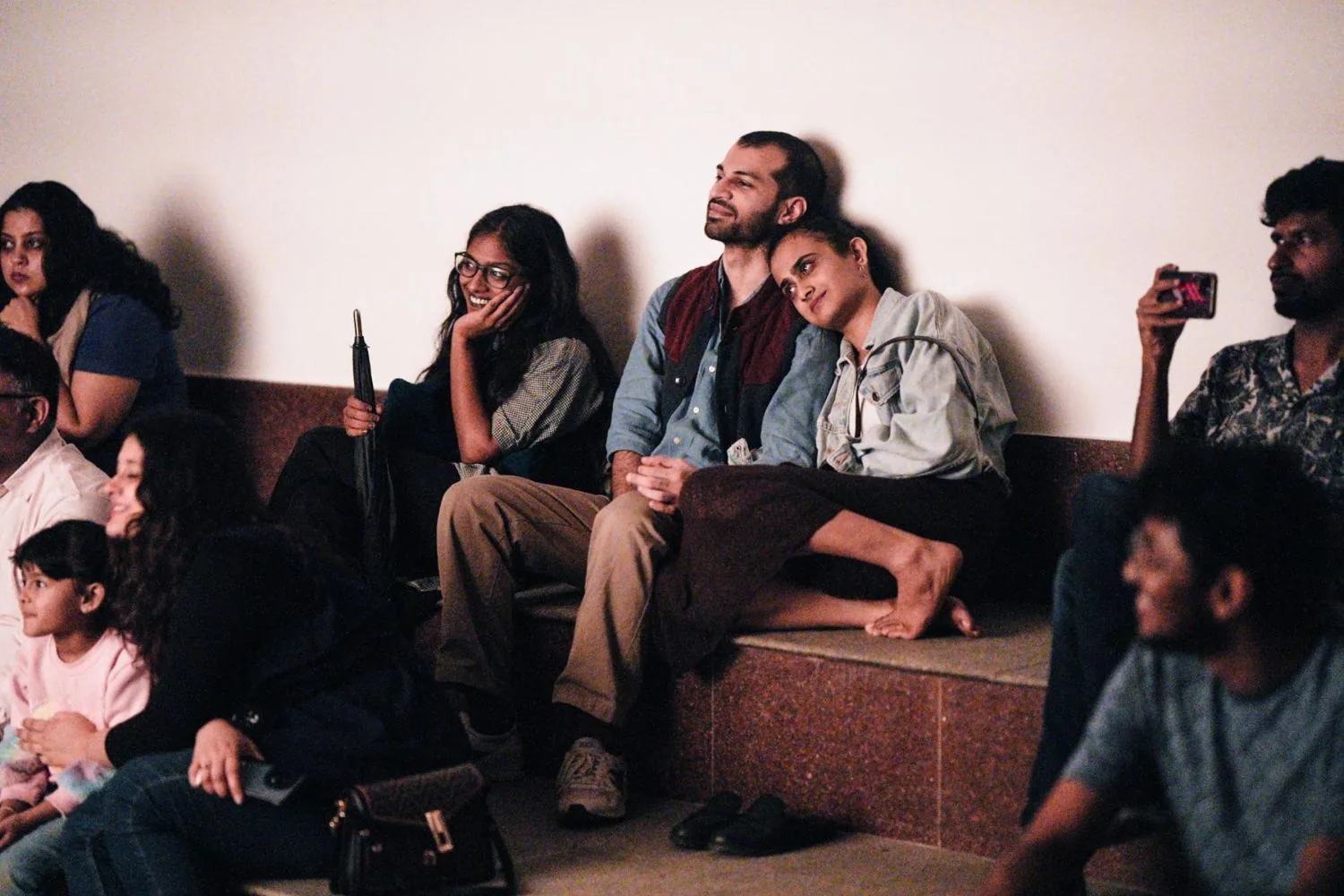
A curated visiting artist series: short residencies, masterclasses and open studios, one or more practitioners a month across a semester, open to all students. We identify, contract, host and contextualise.
Full semester or extended
Faculty embedded across a full semester teaching one interdisciplinary studio course or a sequence of modules, co-taught with department faculty if desired.
A fourth strand, for departments that want something more ambitious
Resident ensembles and embedded programmes are not courses and not visiting artist slots. They are living projects that take root inside a university and generate practice, research, student participation and public life across an academic year.
Dilli Improvisers Orchestra, as resident ensemble
Open weekly rehearsals any student can walk into with no audition and no prerequisites, public concerts across the semester, a living laboratory for students enrolled in sound, music or performance courses, and a culminating public concert.
Common Breath, as embedded research programme
An ecology and music residency anchored in the campus and its city. Field recordings, air quality data and water systems become creative material; students work as co-investigators, and the outputs are archivable research. The first edition was produced with Soumik Datta.
The next step is a thirty-minute call.
Which cohort, which semester, how much studio time you can protect, and what you want them to have made by the end of it. We come back with a course outline written for your credit structure.
+91 73887 28268